
Why You Should Epoxy Prime Bare Metal Before Applying Body Filler

In the world of restoration and bodywork, the foundation matters as much as the final paint. One of the most overlooked—but most important—steps in the repair process is sealing bare metal with epoxy primer before applying body filler.
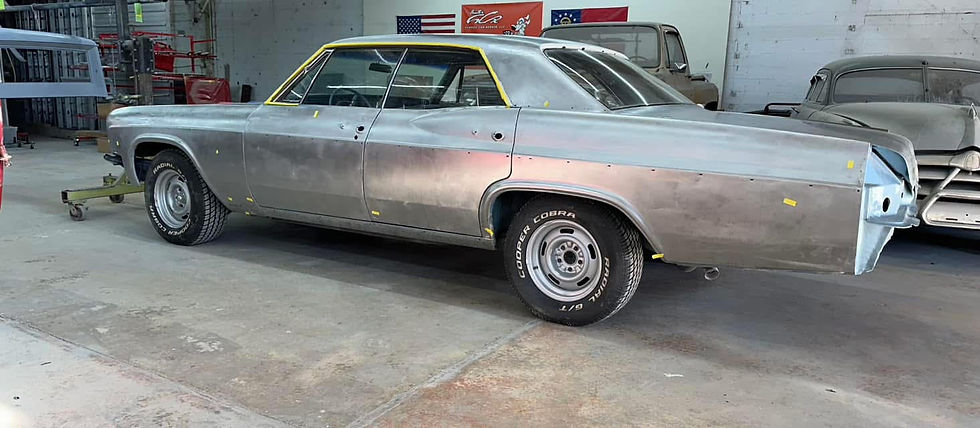
For years, the old-school method was to spread filler directly over bare steel. While that may have been common practice decades ago, modern primer and filler technology has changed the game. Today, applying filler over properly prepared epoxy primer provides superior corrosion protection, improved adhesion, and longer-lasting repairs. Protecting the metal underneath is just as important as achieving a smooth finish on top.

Epic Rust Protection Starts at the Metal
Bare steel begins oxidizing almost immediately after exposure to air and moisture. Even in a controlled shop environment, changes in humidity and temperature can cause condensation on metal surfaces. That moisture becomes trapped beneath filler when bare metal is left unsealed. As metal cools, it condensates. If body filler is applied directly to bare steel, moisture can become trapped between the metal and filler—creating the perfect environment for corrosion to begin underneath the repair. In many cases, the filler itself becomes a “safe space” for rust to destroy the panel from the inside out slowly. Epoxy primer acts as a moisture barrier, sealing the metal surface against oxygen, humidity, road salt, and other contaminants before filler is ever applied.

Modern 2K epoxy primers are designed to chemically bond to bare metal while also providing an ideal surface for filler adhesion. The result is improved long-term rust prevention, a reduced likelihood of corrosion reoccurring, longer-lasting repairs, enhanced durability in humid environments and vehicles, as well as better adhesion and long-term bond strength. Many current technical data sheets and paint manufacturers now recommend preparing bare metal with an epoxy primer, then scuffing the epoxy before applying body filler. This process creates a more consistent substrate and helps eliminate problems caused by microscopic contamination or flash rust on bare steel. When properly scuffed, epoxy primer provides excellent mechanical adhesion for modern body fillers while maintaining corrosion protection underneath.

Step-by-Step: How to Apply Filler Over Epoxy Primer
Step 1: Clean and Prepare the Metal
Remove all rust completely by sanding, grinding, or media blasting.
Clean the surface thoroughly with wax and grease remover.
Sand the bare metal with 120–150 grit to create a mechanical profile. The metal should be clean, dry, and free of contaminants before priming.
Step 2: Apply Epoxy Primer
Use a quality 2K epoxy primer/sealer designed for direct-to-metal application.
Mix according to the manufacturer's specifications.
Apply an even coat over the bare steel.
Focus on sealing the metal rather than hiding imperfections.
Allow proper cure time—often 8–10 hours or longer, depending on product and temperature.
Step 3: Scuff the Epoxy Before Filler
Once cured, this step is essential for proper adhesion.
Lightly sand the epoxy with approximately 120–180 grit.
Create enough tooth for the filler to grip mechanically.
Remove all sanding dust and debris.
Step 4: Apply Body Filler
Now the filler can be safely applied over the sealed surface.
Mix filler properly
Apply thin, controlled layers.
Feather edges smoothly into the repair area.
Sand and shape once cured.
Step 5: Re-Prime and Finish
After bodywork is complete.
Spot-prime any exposed bare metal with epoxy primer.
Apply primer surfacer as needed.
Block the surface flat.
Finish with your chosen topcoat system.
A quality restoration or collision repair is only as good as the foundation underneath it. Applying epoxy primer before body filler.
Seals out moisture
Prevents hidden corrosion
Improves long-term adhesion
Creates a more professional repair
Helps preserve classic vehicles for years to come
Skipping epoxy primer may save time initially, but it can shorten the life of the repair and increase the risk of rust returning later.


Comments